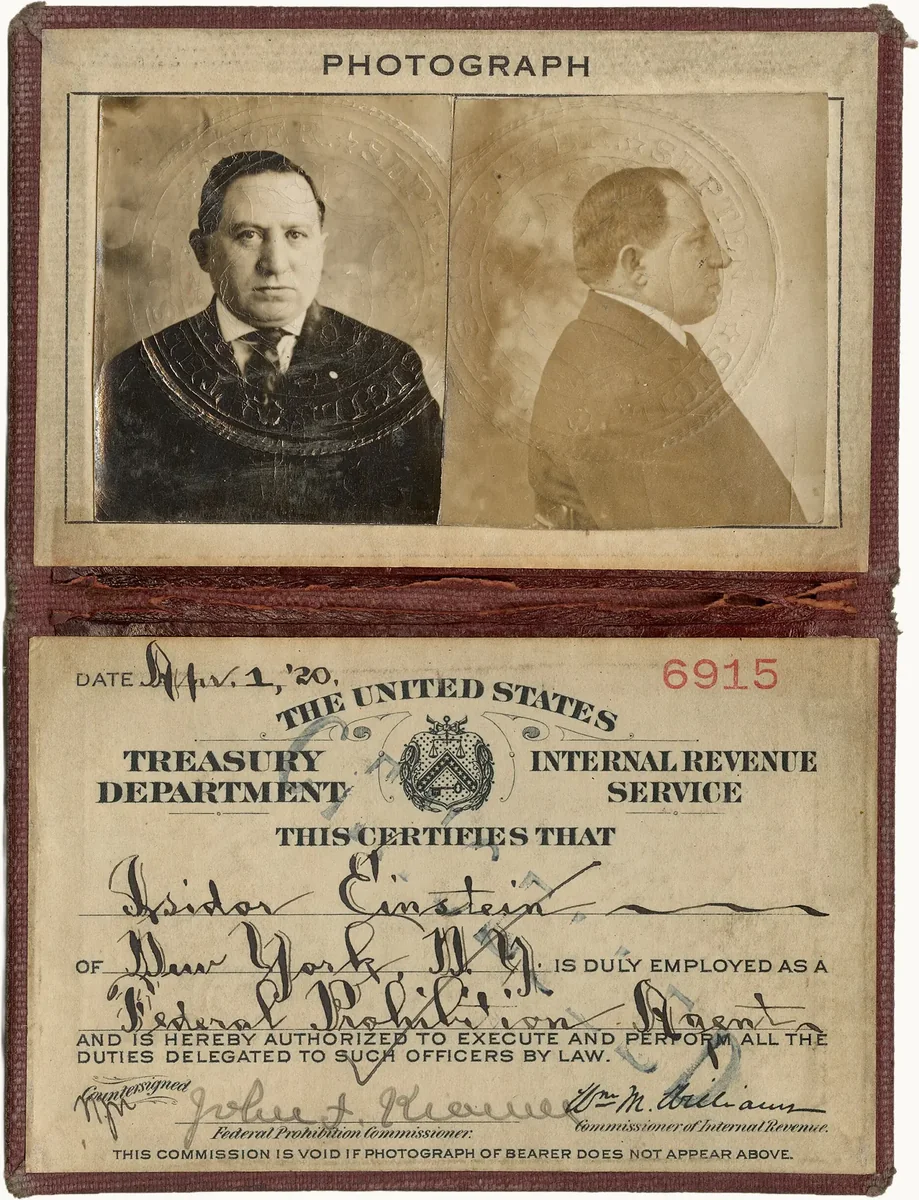
Do undercover police officers have to tell you they are police if you ask them directly?
No.
Not even if I ask them straight out and they say no?
No. Lying about it is the job. An officer working undercover may deny being an officer, and nothing about that denial creates a defense for you later.
Then what is entrapment?
Entrapment is not about whether the police lied. It is about whether they manufactured the crime.
The federal test comes from Sorrells v. United States in 1932, where a Prohibition agent worked on a North Carolina factory worker until the man finally produced some liquor. The Supreme Court threw out the conviction and asked the question that has governed ever since: whether the defendant is
a person otherwise innocent whom the government is seeking to punish for an alleged offense which is the product of the creative activity of its own officials.
So the test is what the police did?
No. Read it again. The test is what you were like before they showed up.
Thirty-seven states and the federal courts use that version, called the subjective test, and it turns on your predisposition. Thirteen states use an objective test that asks whether the conduct would have tempted a law-abiding person. Which one applies to you is a matter of geography.
Give me the version I can remember.
Sherman v. United States, 1958, in which an informant posing as a struggling addict leaned on a man in recovery until he produced drugs. Conviction reversed. The Court put the line in one sentence:
a line must be drawn between the trap for the unwary innocent and the trap for the unwary criminal.
Both traps are legal. Only one of them is a defense.
How often does it work?
Rarely, and the cases that succeed tend to look like Sherman: sustained pressure, a person with no current appetite for the crime, and a government agent supplying the idea, the opportunity and sometimes the merchandise. In Jacobson v. United States in 1992 the government spent over two years mailing a man solicitations before he ordered anything, and the argument was still about his predisposition rather than about their patience.
If your entrapment defense is "he said he wasn't a cop," you do not have an entrapment defense. You have a story.
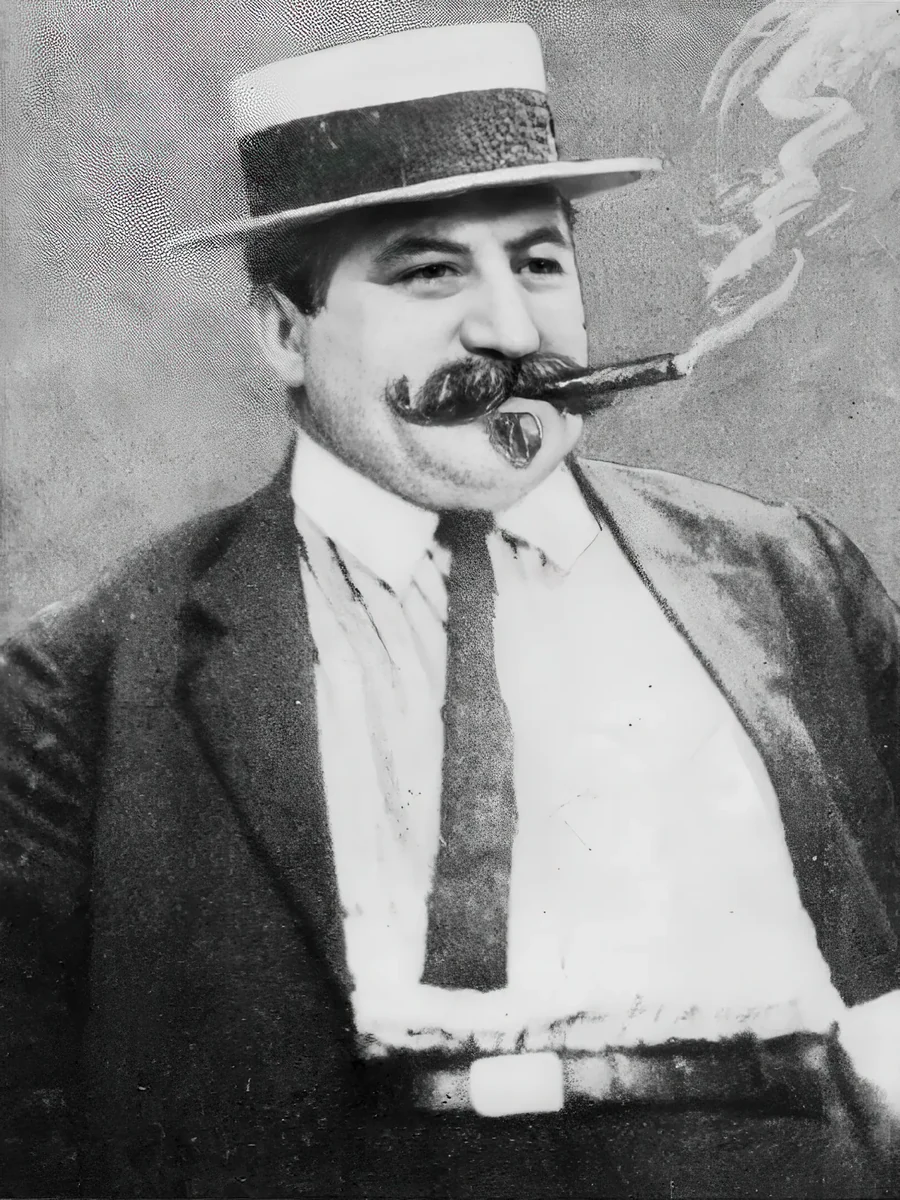
Where did the myth come from, then?
Nobody has pinned it down, and anyone who tells you confidently is doing the same thing the myth does. It has the shape of a folk rule: it sounds like something a fair system would contain, it is easy to repeat, and it is impossible to check at the moment you need it.
That is the actual finding here. We did not learn this from a statute. We learned it from somebody at a party who also did not know.
And we still do this
We all carry a few of these. A confident sentence about the law, acquired secondhand, never once verified, deployed exactly when the stakes are highest. I have repeated this one. So has whoever told you.
The comforting part was never the rule. It was the idea that somebody wrote one down.
Sources
- Sorrells v. United States, 287 U.S. 435 (1932), for the origin of the federal entrapment doctrine and the quoted standard.
- Sherman v. United States, 356 U.S. 369 (1958), for the quoted line about the unwary innocent and the unwary criminal.
- Jacobson v. United States, 503 U.S. 540 (1992), for the predisposition analysis and the length of the government's campaign.
- Survey of state adoption of the subjective and objective tests, 37 and 13 states respectively.
- Uncertainty noted: the origin of the popular belief that officers must identify themselves is not documented in any source we could find. The post says so rather than guessing.