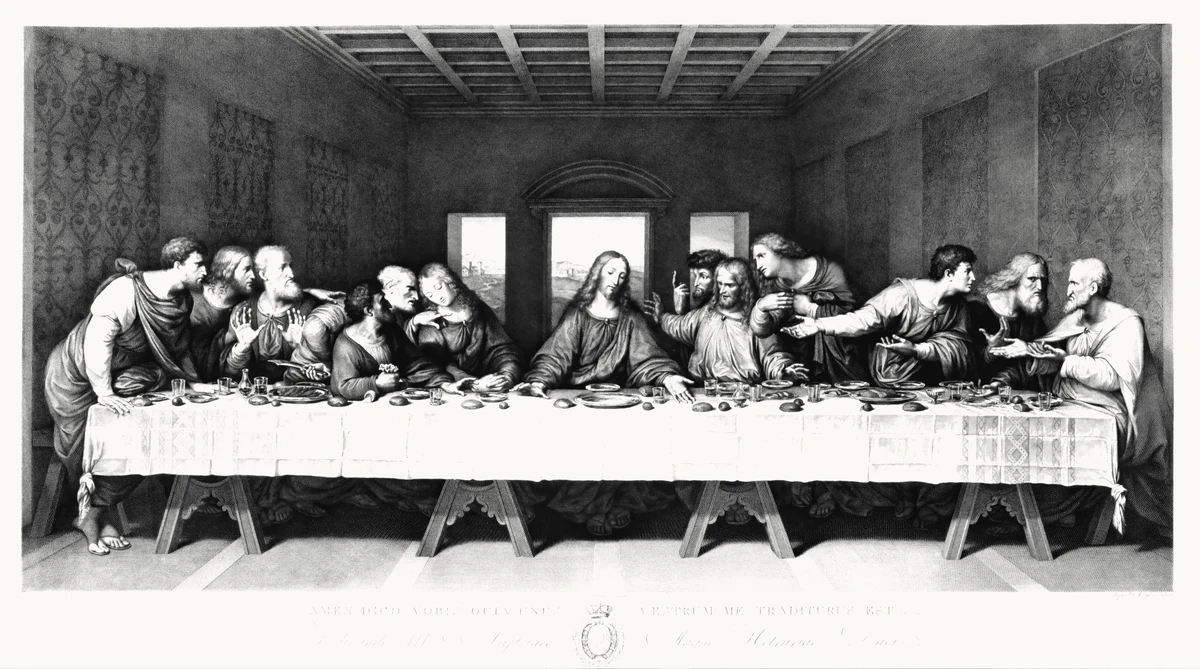
Verified attendance. Thirteen covers. Upper room, private hire, no reservation needed because the host had arranged the space in advance, which is the detail nobody dwells on.
Pros. Bread. Wine. Good light. An unusually candid host who told the table exactly what was going to happen and then let everybody finish eating.
Cons. Seating. Atmosphere. Being told in front of eleven colleagues that one of us was going to do the thing, in a tone that made it clear which one, and then having to reach for the dish anyway.
The money, itemized
The figure everyone quotes comes from one gospel. Matthew 26:15 is the only account that names thirty pieces of silver. Luke says a price was agreed and does not say what it was, and does not have it paid up front.
Scholars cannot settle which coin it was. The leading candidates are the Tyrian shekel at 14 grams and 94 percent silver, an Antioch stater at 15 grams and 75 percent, or a Ptolemaic tetradrachm at 13.5 grams and a frankly insulting 25 percent. If it was the last one, that is its own small tragedy.
At four drachmas to the coin, and a drachma being about a day's pay for a skilled worker, thirty pieces comes to roughly 120 days of labor. Four months. Not nothing. Not a fortune. The going rate for a competent tradesman's season.
Thirty pieces of silver. Also the figure in Exodus 21:32: the compensation owed to an owner when an ox kills a servant. The price was on the books. Somebody looked it up. No further action required.
That is the part that should sit with you. It was not an arbitrary number somebody invented in a corridor. It was a schedule. There was a going rate for a person and the priests paid it, and whoever set the figure in Matthew knew exactly which verse he was quoting.
Discrepancies, noted for the record
The accounts do not agree about what happened next, and the gap is not small.
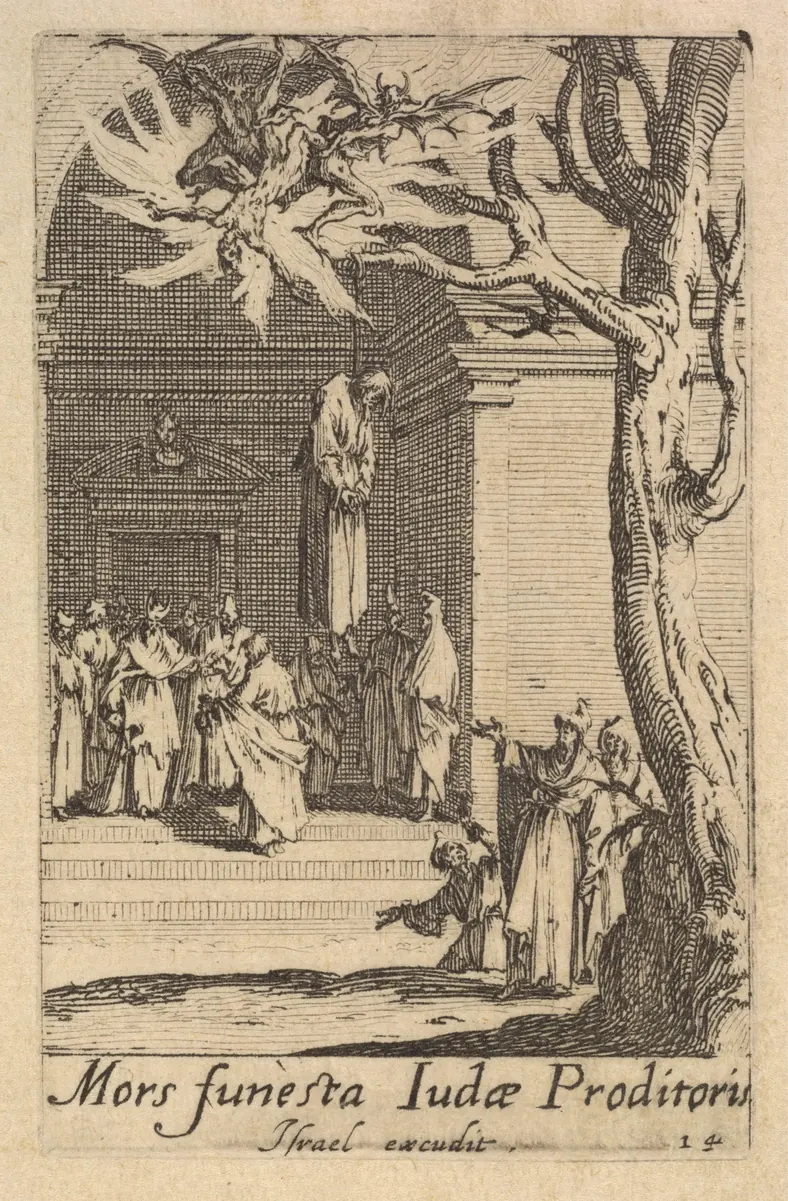
Matthew has the money returned in remorse and the chief priests buying the potter's field with it. Acts has Judas buying the field himself and dying in it. Two texts, one man, one plot of land, two completely different sets of hands on the deed.
Both are in the same book. Neither has been quietly withdrawn.
And we still do this
Every table has somebody who already knows how the night ends and says nothing through the main course. That is not a moral failing unique to one guy in Jerusalem. That is Thursday.
I have sat at a dinner knowing a thing that would have ruined it, and passed the bread, and let everyone enjoy themselves, and told myself the timing was not right. Nobody has written that up as a betrayal. It is the same muscle.
Would I recommend? The room was good. The company knew. Two stars, and I was not asked back.
Sources
- Matthew 26:15 for the thirty pieces of silver, and Luke's parallel account for the absence of a figure.
- Exodus 21:32 for the same sum as statutory compensation for a killed servant, and Zechariah 11:12 to 13 for the money thrown to the potter.
- Acts 1:18 to 19 against Matthew 27:3 to 10, for the contradictory accounts of the field and of Judas's death.
- Donald Wiseman on the candidate coinages, with weights and silver content.
- Standard reckoning of a drachma as roughly a day's wage for a skilled laborer, giving thirty four-drachma coins as about 120 days.
- Cut for lack of verification: a line about the composition of Leonardo's painting. The claim we wanted could not be sourced to a standard art-history reference in time, so it is not here.